Summer Academy - AI Applications in Maritime and Ocean Studies
Summer Academy - AI Applications in Maritime and Ocean Studies
Programme Details
Programme Details
19-27 August 2026
Malmö, Sweden
ABOUT THE COURSE
Acknowledging the increasing transformative importance of Artificial Intelligence (AI), the WMU Summer Academy Course on AI Applications in Maritime and Ocean Studies brings together an interdisciplinary roster of academics and industry experts. The aim is to explore the latest developments and trends in this dynamic area and to address related aspects in the context of sustainable maritime development.
This Summer Academy offering is broadly based on the cooperation of several academic institutions. In Japan, Hiroshima University (HU) was selected in 2024 for the MEXT “Inter-University Exchange Project” and is implementing a five-year programme “Training Program for Next Generation Leaders in AI in Maritime Economic Security and Sustainability” in collaboration with five European universities: Ca’ Foscari University of Venice, University of Graz, World Maritime University (WMU), University of the Basque Country, and Leipzig University. The cooperation acknowledges that maritime and ocean-related fields are deeply connected to global sustainable development and environmental protection. In this context, AI will play a critical role in future marine resource management and in optimizing virtually all aspects of ship and port operations.
As part of this initiative, WMU is hosting this Summer Academy offering focusing on AI applications in the maritime and ocean fields, based on a broader understanding of AI as a transformative development. Presentations and discussions will go beyond “pure” maritime aspects but will be broadly anchored in an ocean-sustainability context. The aim is to raise awareness for emerging trends in an increasingly “AI-native” world, and to provide participants with a number of interdisciplinary perspectives and practical insights in the wider context of sustainable maritime development. The course will consist of lectures, discussions, and group work.
This Summer Academy course follows an interdisciplinary approach and will address a wider range of scientific and practical areas. The topics will address ethical considerations of AI, the way AI actually generates output (e.g., via large language models), legal and regulatory matters of AI and the impact of AI on (maritime) education. To link theory to practice, the topics will also include aspects like maritime domain awareness (incl. the detection of unlawful offshore activities), maritime safety, the impact of AI technology on seafarers, AI applications in ports and how AI developments shape innovation for autonomous systems as applied for navigation and/or voyage planning.
Two short excursions (Malmö and Copenhagen) will be integrated into the programme, however, these activities serve as cultural purposes and are not intended to be strictly linked to AI developments.
ABOUT THE WMU SUMMER ACADEMY
The World Maritime University (WMU) is a unique academic institution, founded within the framework of the International Maritime Organization (IMO), a specialized agency of the United Nations. The University has a reputation for bringing together stakeholders such as academics, researchers, professionals, and industry to explore cross-cutting topics facing the maritime industry. The WMU Summer Academy provides a unique opportunity for these stakeholders to gather and share knowledge, as well as collaborate on potential solutions that will directly benefit the maritime industry.
INSTRUCTORS
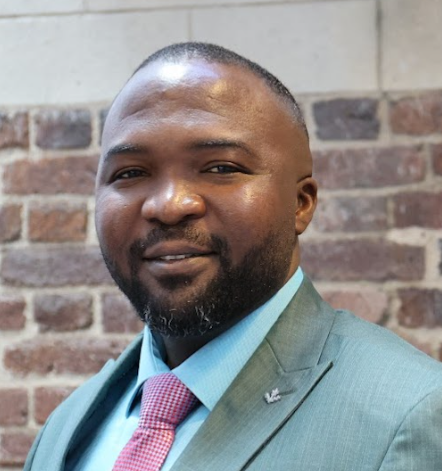
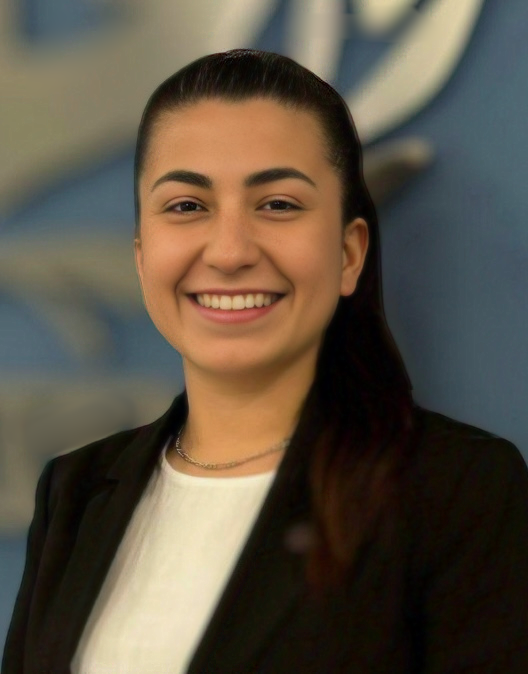
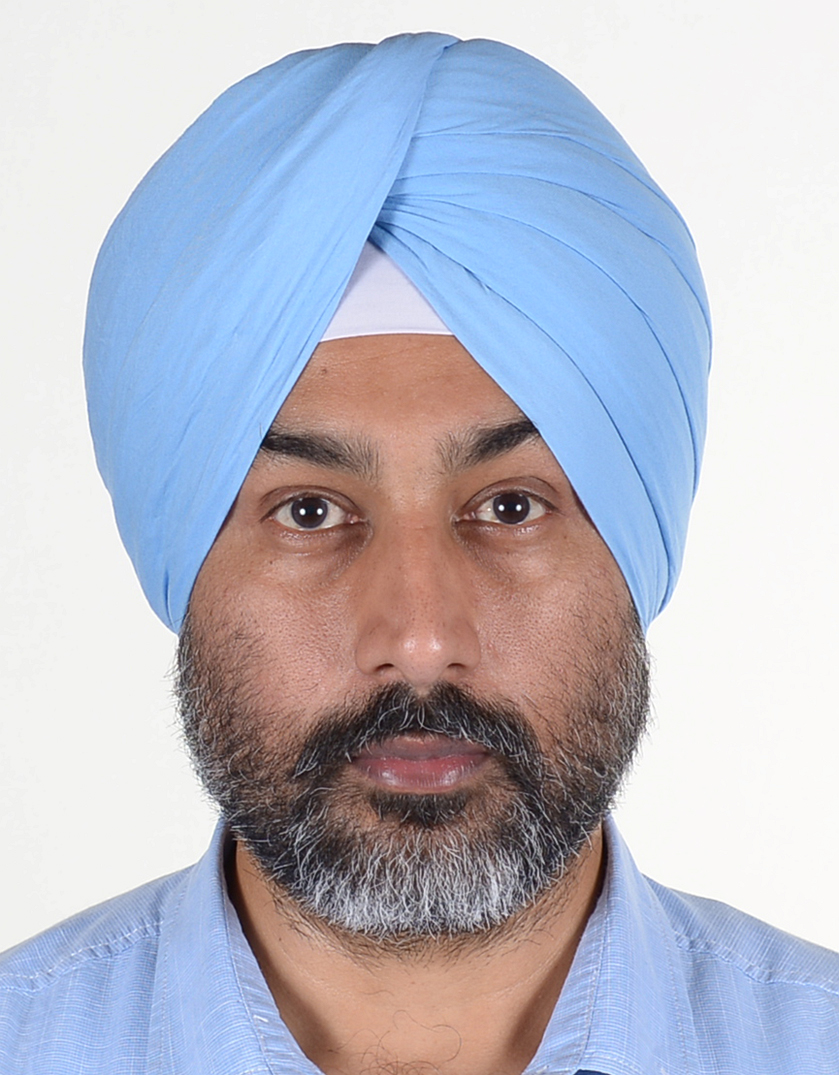
The WMU Summer Academy course on the AI Applications in Maritime and Ocean Studies is coordinated by WMU Professor Henning Jessen and will be delivered by a team of external experts and WMU Faculty.
- Professor Henning Jessen, WMU
- Professor Michael Manuel (keynote welcome speech), WMU, Vice-President (Provost)
- Associate Professor Khanssa Lagdami, WMU
- Associate Professor Anish Hebbar, WMU
- Professor Dimitrios Dalaklis, WMU
- Associate Professor Fabio Ballini, WMU
- Assistant Professor Johan Bolmsten, WMU
- Associate Professor Filippo Bergamasco, Ca’Foscari University of Venice, Italy
- Associate Professor Harkaitz Eguiraun, University of the Basque Country, Spain
- Associate Professor Chen Chen, Hiroshima University, Japan
- Aaron Powers, CEO/co-founder Hunit Ltd
- Dr. Adel Heenan (Global Fishing Watch)
- Vera Alexandropoulou & Alex Michopoulos, SeaOrama Academy, Maritime Training
- Steven Robinson, C.H. Robinson
INTENDED LEARNING OUTCOMES
Through a combination of workshops, classroom instruction and excursions, the programme will enable students to:
- Conceptualize scientifically grounded solutions to societal issues contributing to the United Nations Sustainable Development Goals (SDGs) in the marine and maritime sectors using AI and big data.
- Integrate knowledge and methods from multiple disciplines and apply them to complex, real-world problems.
- Collaborate with international students from diverse cultural and academic backgrounds, engage in constructive discussions, and work toward consensus on shared goals.
- Autonomously advance research-related activities—including data analysis andplanning—within a limited timeframe, and to make decisions based on evidence.
PARTICIPANT PROFILE
Due to the interdisciplinary nature of the course, registration is open to professionals, public servants, graduate students, researchers, academics, and individuals who are interested in gaining an in-depth understanding of the impact of AI on the maritime sector, including ports and even wider ocean-related applications.
Key Facts
Key Facts
CERTIFICATE
Participants will be awarded a Certificate of Completion from the World Maritime University, and receive an official programme outlining the topics covered. Participants will also receive a digital badge, serving as a certificate from Hiroshima University, upon completing the course.
COURSE STRUCTURE
The course schedule is daily from 09:00 to 17:00 (Friday until 15:00), with lunch provided, as well as morning and afternoon coffee breaks.
Day 1 - Setting the Scene on the Understanding of AI
Day 2 - AI Applications in the “Blue Economy”and in Ocean Sustainability / AI Applications in Maritime Domain Awareness / AI in global logistics and supply chains
Day 3 - Regulatory Aspects of AI / Contractual Aspects of AI
Day 4 - AI Applications in Maritime Safety / Impact of AI Technology on Seafarers / The Role of AI for “Smart Ports”
Day 5 - AI and Maritime Education, incl Practical Examples / Concluding Roundtable on the Emerging "AI-native world" and the Maritime Sector
Apply
Apply
ENTRY REQUIREMENTS
- Enrolled as a graduate student (Master’s or Doctoral) or a graduate degree.
- Sufficient English proficiency for communication.
- An interest in marine/maritime issues as well as all areas of ocean sustainability (generally open to students from any field).
- Availability to attend all classes throughout the programme.
- Comply with programme rules and regulations.
If the number of applicants exceeds the planning limit, a selection will be made.
Selected students are expected to bring their own personal computer.
KEY DATES
Course Dates: 19-25 August 2026, excursions on 22 August and 26-27 August
Application deadline: 19 June 2026
*Late applications will only be considered subject to availability.
FEES
Full - $ 1,750 USD
Early bird (until 31 May 2026) - $ 1,500 USD
Students/WMU Alumni - $ 1,000 USD
Fees include:
- in-class attendance with access to learning materials
- refreshments (morning and afternoon coffee breaks) and lunches provided during the programme delivery
Accommodation is not included in the programme fee. Upon acceptance to the programme more information on local accommodation options and participation cost for excursions will be provided.
January 2022








.jpg)
.jpg)